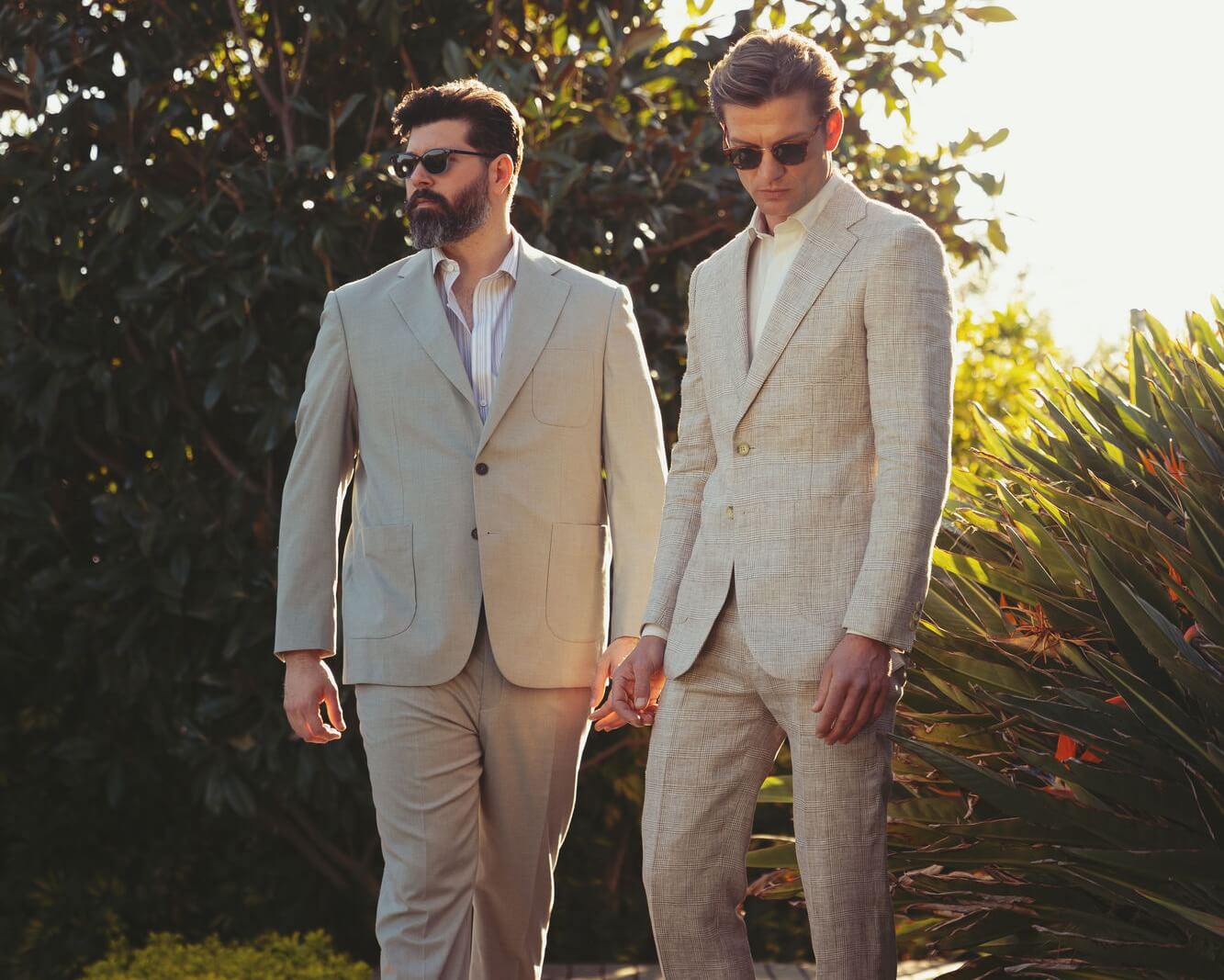
Walk into a typical office building in 1955, and you would see a sea of grey flannel, crisp white collars, and fedoras. Walk into that same building today, and you’re more likely to see branded fleece vests, chinos, and expensive sneakers.
For over a century, the suit was the uniform of the adult male. It signified maturity, professionalism, and respectability. But somewhere along the line, we abandoned the suit. The tie was loosened, the jacket was hung up, and the “Man in the Grey Flannel Suit” became a relic of the past.
Here is a look at why men stopped suiting up, when the shift happened, and why it is time to reclaim the look.
The Timeline: How the Threads Unraveled
The decline of the suit wasn’t a sudden event; it was a slow erosion over several decades.
- The 1960s & 70s: The Rebellion The first cracks in the armor appeared during the counterculture movement. The suit was viewed by the younger generation as the uniform of “The Establishment”—a symbol of conformity and corporate soullessness. While the suit didn’t die, it morphed; the “Peacock Revolution” introduced wild colors and bell-bottoms, breaking the rigid rules of conservative tailoring.
- The 1990s: The “Business Casual” Bomb This was the tipping point. In the early 90s, brands like Levi’s (specifically their Dockers brand) launched massive marketing campaigns to define “Casual Friday.” They sent brochures to HR departments explaining “appropriate” casual wear. It worked. Khakis and polo shirts infiltrated the boardroom, eventually bleeding from Fridays into the rest of the week.
- The 2000s – Present: The Silicon Valley Effect The rise of the tech titans hammered the final nail into the coffin. When the world’s richest men—Mark Zuckerberg, Steve Jobs, Elon Musk—wore hoodies, turtlenecks, and jeans, the association between “suits” and “success” was severed. The suit began to feel like a costume for a lower-tier employee, while the boss wore a t-shirt.
Why Did We Stop?
Beyond the timeline, there were practical and psychological reasons men walked away from tailoring.
1. The Comfort Crisis
Let’s be honest: vintage suits were heavy, hot, and restrictive. As fabric technology improved, men gravitated toward performance fabrics, stretch denim, and breathable knits. We prioritized physical comfort over aesthetic presentation.
2. The Blur of Work and Life
In the mid-20th century, you wore a suit to work and changed when you got home. Today, the lines are blurred. We work from coffee shops, we take calls in Ubers, and we value versatility. A three-piece suit feels out of place at a casual happy hour or a tech startup beanbag meeting.
3. Fear of Being “Overdressed”
As standards dropped, the social cost of dressing up rose. Wearing a suit today often invites questions: “Do you have a job interview?” or “Are you going to a funeral?” Men stopped wearing suits because they didn’t want to stand out as the only person in the room trying too hard.
The Case for the Comeback: Why You Should Suit Up
The ubiquity of casual wear has created a unique opportunity. Because so few men wear suits today, wearing one is no longer an act of conformity—it is an act of rebellion.
Here is why you need to bring the suit back into your rotation:
- The “Armor” Effect: Psychologists call it enclothed cognition. What you wear changes how you think. Putting on a structured jacket changes your posture. It signals to your brain that it is time to handle business. It provides a layer of psychological protection and confidence that a hoodie simply cannot.
- Instant Respect: Despite the casual trend, human psychology hasn’t changed that much. People still subconsciously associate tailoring with competence, authority, and attention to detail. A well-tailored suit commands a room before you even speak.
- Simplicity: paradoxically, a suit is the easiest outfit to coordinate. You don’t have to match a shirt to a sweater to pants. The suit is the outfit. Put it on, add a white shirt, and you are impeccably dressed in 30 seconds.
You do not need to wear a tuxedo to the grocery store, but you should reclaim the power of tailoring.
Start with one. Ignore the cheap, fused polyester suits. Invest in one high-quality, navy blue or charcoal suit. Get it tailored—fit is everything.
Break it up. Wear the jacket with dark denim. Wear the trousers with a crisp white t-shirt and loafers.
Wear it without a reason. Next time you go to dinner, wear the suit. Not because you have to, but because you respect the occasion, your company, and yourself.
Gentlemen, the world is casual enough. Put on a suit.
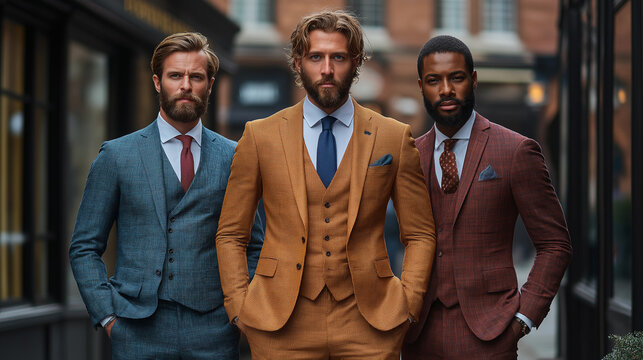
 of the Suit: Why We Traded Wool for Hoodies)